
Stop Waking Up at 6am. Do This Instead.

Every self-help book on the shelf tells you the same thing.
Wake up at 5am. Cold plunge. Journal. Meditate. Read a chapter. Work out. Kill it before most people have opened their eyes.

Then you try it. Week one, you feel like a superhero. Week two, you’re dragging. Week three, you’re back to hitting snooze at 8am and feeling like you failed at the one thing successful people supposedly do without effort.
You didn’t fail. The advice was wrong for you.
The 6am rule is one of the most damaging pieces of productivity advice ever popularized — because it assumes every human runs on the same clock. They don’t. And forcing a night owl into a morning routine doesn’t build discipline. It builds exhaustion.
Below is what actually works: how to find your real peak hours, protect them, and stop losing years of output to a schedule that was never designed for you.
The lie inside “early bird gets the worm”
The early-morning-grind gospel comes from a specific type of successful person who happens to be biologically wired to peak before sunrise. There are millions of them. They aren’t lying. What they’re doing genuinely works — for them.
The problem starts when their routine becomes prescriptive advice for everyone else. Because for every early-riser CEO on stage telling you to wake up at 5am, there’s a novelist writing their best pages at 1am, a designer doing their sharpest work at 10pm, and a founder shipping their most important product decisions after dinner.
They’re not less disciplined. They’re differently wired. Their biology gave them a different peak window, and forcing them into a morning routine wouldn’t make them more productive — it would make them mediocre versions of someone else.
The question was never when do successful people wake up? The question is when does your brain do its best work? Those are completely different questions with completely different answers.
Your prime time is a real thing (and you already know when it is)
Brian Tracy calls it your prime time: the window in your day when, according to your internal body clock, you’re at your most alert and productive.
You already know when yours is. You’ve felt it your whole life. It’s the window when writing feels easy, decisions come fast, and hard problems stop feeling hard. It’s also the window you’ve probably spent years wasting on email, meetings, and admin work — because your calendar was built around office hours, not biology.
For most people, prime time lasts two to four hours per day. Not the whole day. Not eight hours. Two to four. Everything outside that window is administrative capacity — fine for shallow work, useless for the things that actually move your life forward.
The people who quietly outperform aren’t working more hours. They’re spending their prime-time hours on prime-time work.
How to actually find your window
Most people think they know when they’re sharpest. Most people are wrong.
The reason: you’ve been running on someone else’s schedule for so long that your sense of your own rhythm is corrupted. You think you’re “not a morning person” because you hate your 8am meetings — but the meetings might be the problem, not the mornings
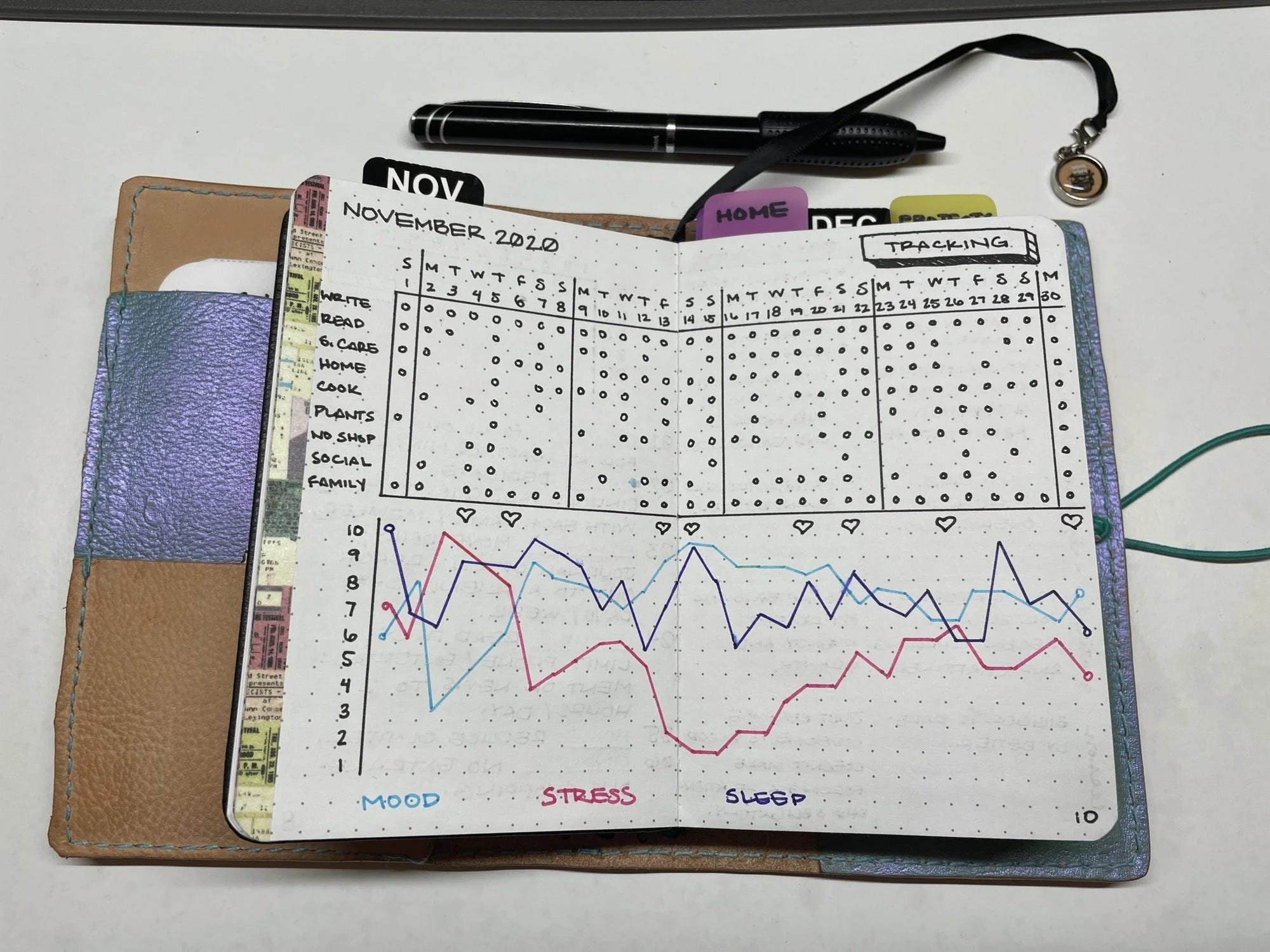
.
Run this test for one week: